How to Trade Commodities:
A Beginner’s Guide to Commodity Trading
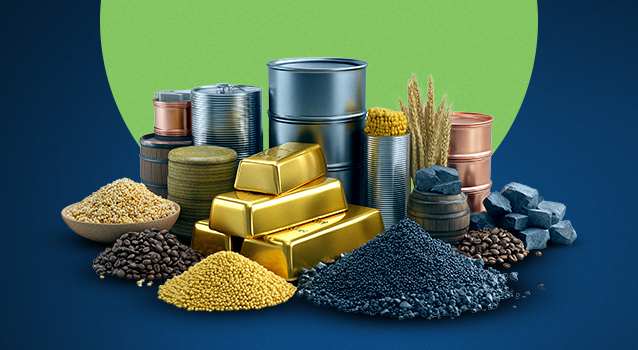
Commodity trading gives you access to some of the most essential global markets, including oil, gold, and agricultural products. For many traders, commodities offer a practical way to diversify and respond to global economic trends.
This guide explains how commodity trading works and how to get started with a clear, structured approach.
What Is Commodity Trading?
Commodity trading involves buying and selling raw materials such as energy, metals, and agricultural goods typically based on their price movements in global markets.
Most retail traders trade commodities online through CFDs (Contracts for Difference).
This allows you to:

Trade on rising or falling prices
Access global markets without owning the physical asset
Manage positions within a single platform
This approach makes commodity trading more accessible while reflecting real market conditions.
Types of Commodities You Can Trade
At easyMarkets, you can access a wide range of commodity markets across energy, metals, and agricultural products.
Energy Commodities
Energy markets are widely traded due to their role in the global economy and are often influenced by geopolitical and economic developments.
Available on easyMarkets:
WTI crude oil
Brent oil
Natural gas
Metals
Metals are influenced by economic conditions, currency movements, and industrial demand.
Available on easyMarkets:
Gold
Silver
Platinum
Palladium
Copper
Gold is often monitored during periods of economic uncertainty, while copper is closely linked to industrial activity.
Agricultural Commodities
Agricultural markets are shaped by weather patterns, seasonal cycles, and global demand.
Available on easyMarkets:
Wheat
Soybeans
Corn
Cocoa
Coffee
Sugar
Cotton
Why Trade Commodities?
Commodities can play a distinct role in a trading strategy:
Diversification: They may behave differently from currencies and equities
Global relevance: Prices reflect real-world supply and demand
Market movement: Opportunities may arise in both rising and falling markets
Economic insight: Commodities often react to inflation and global trends
For many traders, commodities trading is also used to respond to inflation, geopolitical developments, and shifts in global supply and demand.
What Moves Commodity Prices?
Commodity prices are influenced by several key factors:
Supply and demand changes
Geopolitical developments
Weather conditions (especially for agriculture)
Economic indicators such as inflation and growth
Understanding these drivers can help you make more informed trading decisions.
For example, oil prices may react quickly to geopolitical tensions, while agricultural commodities are more influenced by weather conditions and seasonal cycles.
Trading Conditions and Key Considerations
Before trading commodities, it’s important to understand how these markets operate in a CFD environment.
Contract Size and Accessibility
In traditional markets, commodities are traded in standardized quantities such as barrels or metric tons.
With CFDs on easyMarkets, you trade based on price movements without handling physical quantities. Position sizes are flexible, allowing you to manage exposure according to your strategy.
Pricing and Currency
Commodities on the easyMarkets platform are typically priced in US dollars (USD).
This creates a consistent benchmark across markets and can help when comparing price movements.
Volatility and Market Behavior
Commodities can experience periods of increased volatility due to global events, supply disruptions, or seasonal demand.
Unlike equities, commodities do not provide dividends. Their value is derived from price movements. For example, gold is often monitored during periods of economic uncertainty, where increased demand can influence price movements.
Leverage and Risk Awareness
CFD trading involves leverage, which means both potential gains and losses can be magnified.
Using risk management tools and maintaining a structured approach can help you manage exposure more effectively.
Example of Commodity Trading
For example, if the price of a commodity such as gold is rising and market conditions suggest continued upward momentum, a trader might consider opening a buy position. If the price continues to move higher, the trader may benefit from the difference between the opening and closing price, depending on their position size and overall market conditions.
However, if the market moves in the opposite direction, the position may result in a loss. This is why understanding market drivers and using risk management tools is an important part of trading commodities.
How to Start Trading Commodities
A step-by-step approach can help you get started with more confidence:
1. Learn the Basics
Understand how different commodities behave and what influences their prices
2. Choose a Platform
Select a regulated broker like easyMarkets offering transparent pricing, risk management tools, and access to multiple trading platforms
3. Practice First
You can start practicing in a risk-free demo account to explore commodity markets in real-time conditions.
4. Create a Trading Plan
Define your goals, risk tolerance, and preferred assets
5. Start Gradually
Build experience over time with manageable position sizes
Common Mistakes to Avoid
Trading without a clear plan
Ignoring market fundamentals
Reacting emotionally to volatility
Taking on more risk than intended
Not using risk management tools
Why Trade Commodities with easyMarkets
easyMarkets provides access to global commodity markets through a platform designed to offer clarity, control and risk management.
With easyMarkets you can:
Trade a wide range of commodities including energy, metals and agricultural products
Access transparent pricing with no hidden costs
Use built-in tools designed to help manage risk
Trade via multiple platforms including MT4, MT5, and TradingView
Take the First Step
If you are new to commodity trading, you can start with a demo account to explore the markets in a risk-free environment.
When you feel ready, you can transition to live trading with a clearer strategy and greater confidence.
Commodity trading gives you access to some of the most essential global markets, including oil, gold, and agricultural products. For many traders, commodities offer a practical way to diversify and respond to global economic trends.
This guide explains how commodity trading works and how to get started with a clear, structured approach.
Frequently Asked Questions
Commodity trading involves buying and selling raw materials such as energy, metals, and agricultural goods typically based on their price movements in global markets.
Beginners can start by learning market basics, using a demo account, and gradually building experience before trading with real funds.
You can trade energy (WTI, Brent oil, natural gas), metals (gold, silver, copper), and agricultural commodities (coffee, wheat, sugar, and more).
No. When trading CFDs, you are trading on price movements without owning the underlying asset.
Prices are influenced by supply and demand, geopolitical events, weather conditions, and economic data.
Yes. Commodity trading involves risk, especially when using leverage. It’s important to use risk management tools and trade responsibly.